Best Beginner Tips for Photography in 2023 Welcome to our beginner’s guide to photography! Whether you’re just starting out with your camera or have been dabbling in photography for a while, this guide is here to help you take your skills to the next level. Photography is a fun and creative hobby that can be enjoyed by people of all ages and skill levels, but it can also be a bit intimidating for beginners.
Also read:-Best Workout Routine for Beginners in 2023
That’s why we’ve put together this guide filled with tips and tricks to help you understand the basics, experiment with manual mode, get to know your camera, pay attention to composition, play with light, practice, experiment with editing, join a photography community, and much more. So, grab your camera, and let’s get started on your photography journey!
Understanding the basics
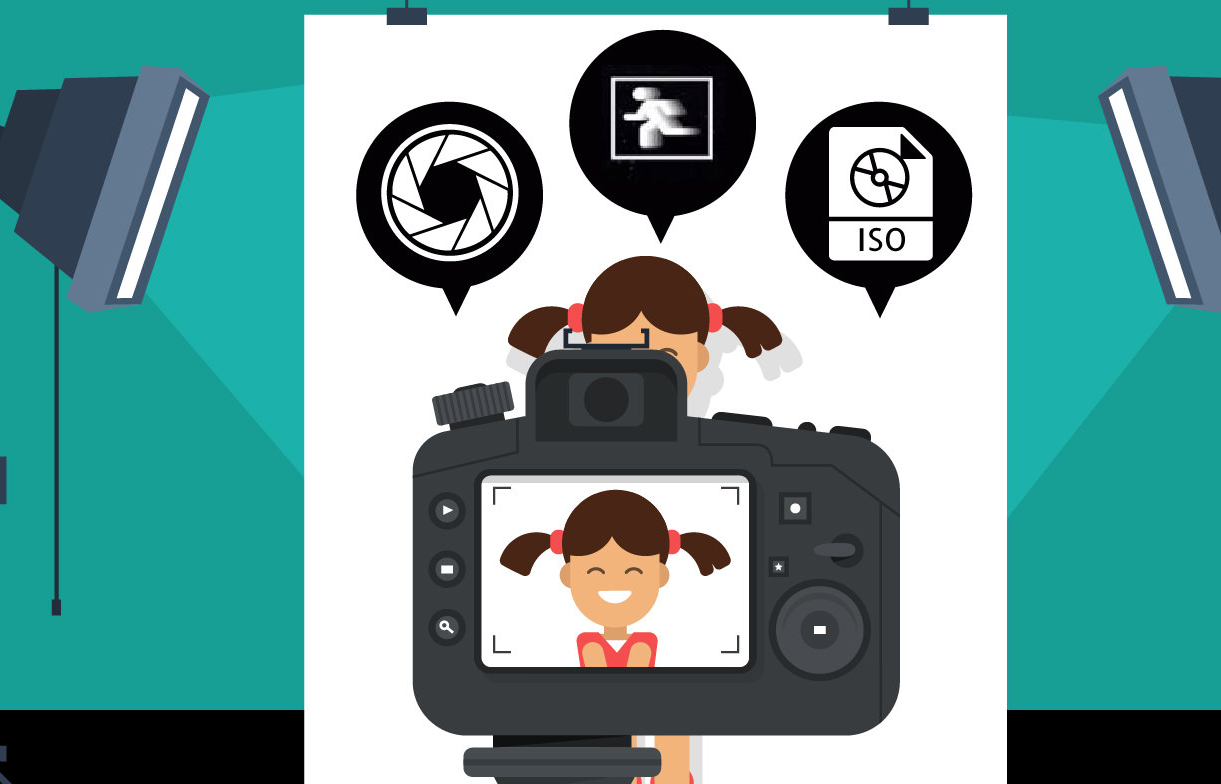
One of the most important things for any beginner photographer to understand is the basics of the exposure triangle. The exposure triangle is made up of three key elements: aperture, shutter speed, and ISO.
The aperture is the opening in the lens that controls the amount of light that enters the camera. A wider aperture (smaller f-stop number) allows more light in and a narrower aperture (larger f-stop number) allows less light in. The aperture also affects the depth of field or the amount of the image that is in focus. A wider aperture (smaller f-stop number) will create a shallow depth of field and a narrower aperture (larger f-stop number) will create a greater depth of field.
Shutter speed is the amount of time that the camera’s sensor is exposed to light.
A faster shutter speed will freeze motion and a slower shutter speed will blur motion. For example, a fast shutter speed of 1/1000th of a second will freeze a moving subject, while a slow shutter speed of 1/4th of a second will create a blur.
ISO is the camera’s sensitivity to light.
A lower ISO number means that the camera is less sensitive to light and a higher ISO number means that the camera is more sensitive to light. However, increasing the ISO also increases the amount of noise or grain in the image.
Composition is another important aspect of photography.
It is the art of arranging the visual elements in a photo to create a certain mood or effect. A good composition can make an ordinary photo look extraordinary. There are several techniques that can be used to improve composition, such as the rule of thirds and leading lines. The rule of thirds suggests that you should place the main subject off-center, rather than in the middle of the frame. Leading lines are lines in a photo that lead the viewer’s eye toward the main subject.
Another important aspect of composition is understanding the different types of lenses available and how they can affect your photos. For example, a wide-angle lens will give you a wider field of view and can be great for landscapes, while a telephoto lens will give you a narrower field of view and can be great for portraits and close-ups.
Understanding the basics of the exposure triangle and composition will give you a strong foundation for improving your photography skills. With this knowledge, you can start experimenting with different settings and techniques to create the types of photos you want to take.
The best Beginner Tips for Photography in 2023 are as follows
Photography is a fun and creative hobby that can be enjoyed by people of all ages and skill levels. Whether you’re a complete beginner or have been dabbling in photography for a while, there are always new things to learn and explore. In this article, we’ll share some beginner tips for photography to help you take your skills to the next level.
- Start with the basics. Before diving into more advanced techniques, it’s important to understand the basics of photography. Learn about the exposure triangle (aperture, shutter speed, and ISO), composition, and the different types of lenses.
- Experiment with manual mode. Once you understand the basics, try shooting in manual mode. This will give you more control over the final image and help you understand how the different settings affect your photos.
- Get to know your camera. Every camera is different, so take some time to get to know your specific model. Learn about its features and how to use them, and experiment with different settings.
- Pay attention to composition. Composition is the art of arranging elements within a photograph to create a visually pleasing image. Learn about the rule of thirds, leading lines, and other composition techniques to take your photos to the next level.
- Play with light. Light is one of the most important elements of photography, and it can be used to create a wide range of effects. Learn about the different types of light and how to use them to your advantage, including natural light, artificial light, and backlight.
- Practice, practice, practice. Photography is a skill that takes time to develop, so don’t get discouraged if your first photos aren’t perfect. The more you practice, the better you’ll get.
- Experiment with editing. Post-processing is an important part of photography and can help you take your photos to the next level. Experiment with different editing techniques, such as cropping, adjusting exposure, and adding filters.
- Join a photography community. Joining a photography community, whether it be online or in person, can be a great way to learn from other photographers and get feedback on your own photos.
Conclusion
photography is a fun and rewarding hobby that can be enjoyed by people of all skill levels. By starting with the basics, experimenting with manual mode, getting to know your camera, paying attention to composition, playing with light, practicing, experimenting with editing, and joining a photography community, you’ll be well on your way to taking stunning photographs.